Manifesto For
Objective Investing
Whether it's winning baseball or wealth management,
strategy decisions should begin and end with the variables
we know and control.
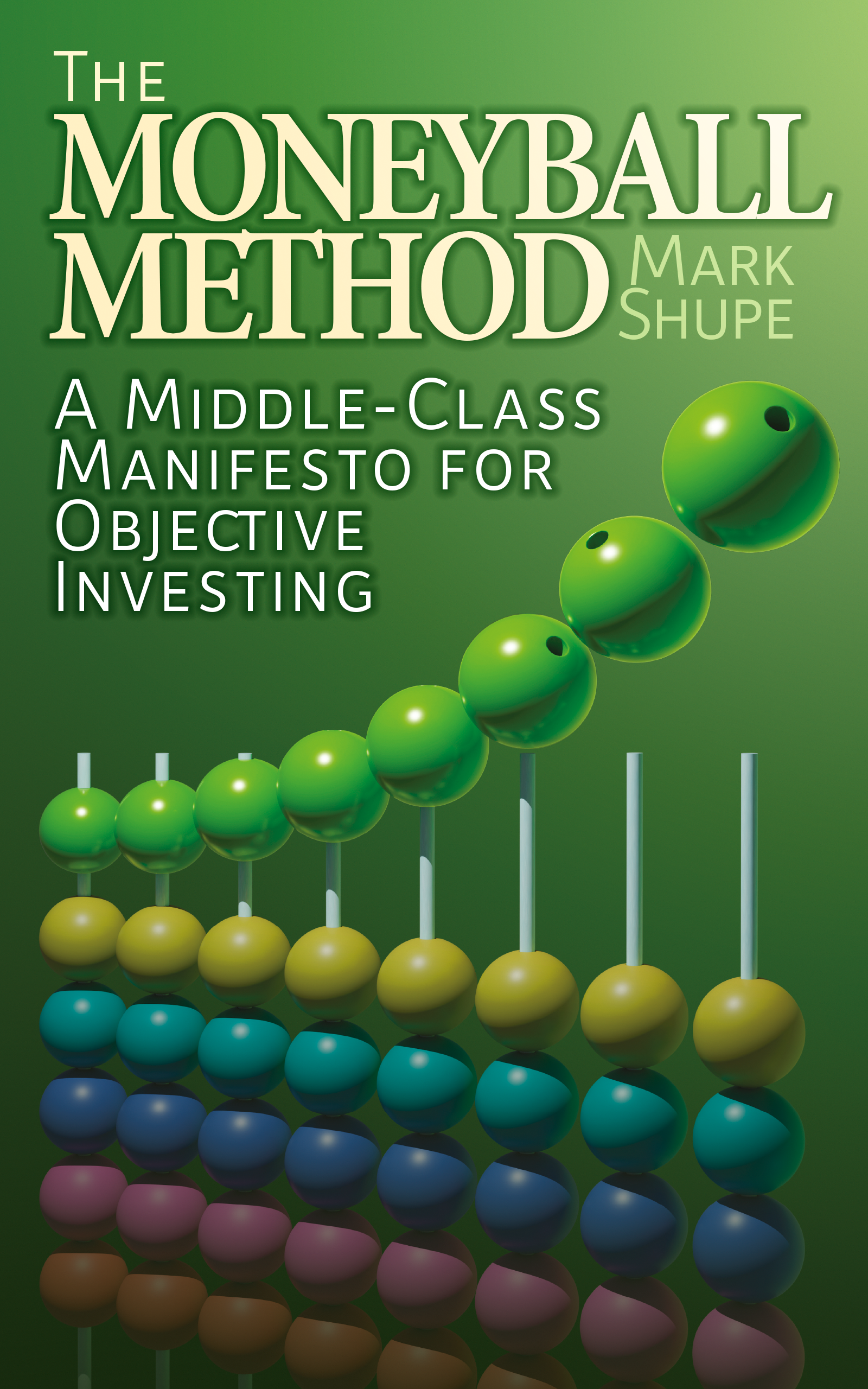
What is ‘The Moneyball Method’?
If you’ve heard of Moneyball, you probably know it as the hit movie from 2011 starring Brad Pitt as Billy Beane, General Manager of the 2002 Oakland Athletics baseball club. Based on the 2003 book by Michael Lewis, it is the story of Oakland’s division-winning season after losing their three star players to free agency. Because of the film’s power and Beane’s unlikely success, Moneyball has since become known for statistical analysis, risk management, and profitability in professional sports.
Beane’s mandate was to build a winning team, do it with the lowest payroll in the division, fill the stands with paying customers — and make money. Ultimately, such a tall order for a small market club meant the lowest cost per win. For that, he needed to reject MLB’s traditional methods, find a reliable way to judge cheap talent, and do it under ridicule from the baseball press.
Why ‘The Moneyball Method’ Works
This book provides a firm defense of the forgotten middle-class investor. It presents a historical, philosophical, and financial analysis of the retail and trust investment universe, with compelling analogies—and offers an integrated framework for individual investors. Because The Moneyball Method is reliable and easy to understand, it lets you take back ownership of your financial future.
What is objective investing?
Why is it superior to traditional practices?
How does ‘The Moneyball Method’ differ from other systems?
- Financially, it’s for making important decisions that require money.
- Economically, it respects the price mechanism of free markets.
- Politically, it rejects statism in favor of individual rights.
- Practically, it’s the integration of cash flow, investment strategy, and uncertain capital market performance.
- Logically, it is goal-directed action.
- Socially, it redefines the investor/advisor relationship.
- Emotionally, it helps satisfy material and spiritual aspirations.
- Psychologically, it requires introspection.
- Morally, it means becoming your own hero.
What the Industry Has to Say
“ Absolutely enjoyed your book. I was so impressed with your many insightful sentences that I began underlining them until the entire first three chapters became an endless stream of parallel lines. This book I will consider your magnum opus representing a compendium of opinions and deep personal insight from a lifetime of reading and thinking about philosophical, cultural and economic thought.
It took a baby boomer, like yourself, willing to sift through and sort countless, acquired pieces of knowledge—either formally or via the autodidactic route—from masters grand and not so grand. These are referenced and woven very well into a thought-provoking book. Hard to pinpoint my favorite passages, but I considered the entirety of Chapter 3, The Elegance of Markets, to be a virtuoso chapter.
More than just another academic tome, it is obvious that a lifetime of experience as an investment management practitioner colors your conclusions and makes them credible. Just as this book was not an easy one to write, it is not one that a reader can skim quickly. That is good on both counts because the careful reader is impressed with the depth of content.
Best wishes for sales. I would make it mandatory reading for those studying for an MBA. For that to happen, you would have to overcome the automatic push back by the frauds in the academic community. Who knows—academia may surprise us? Doubtful, but we can remain hopeful.”


